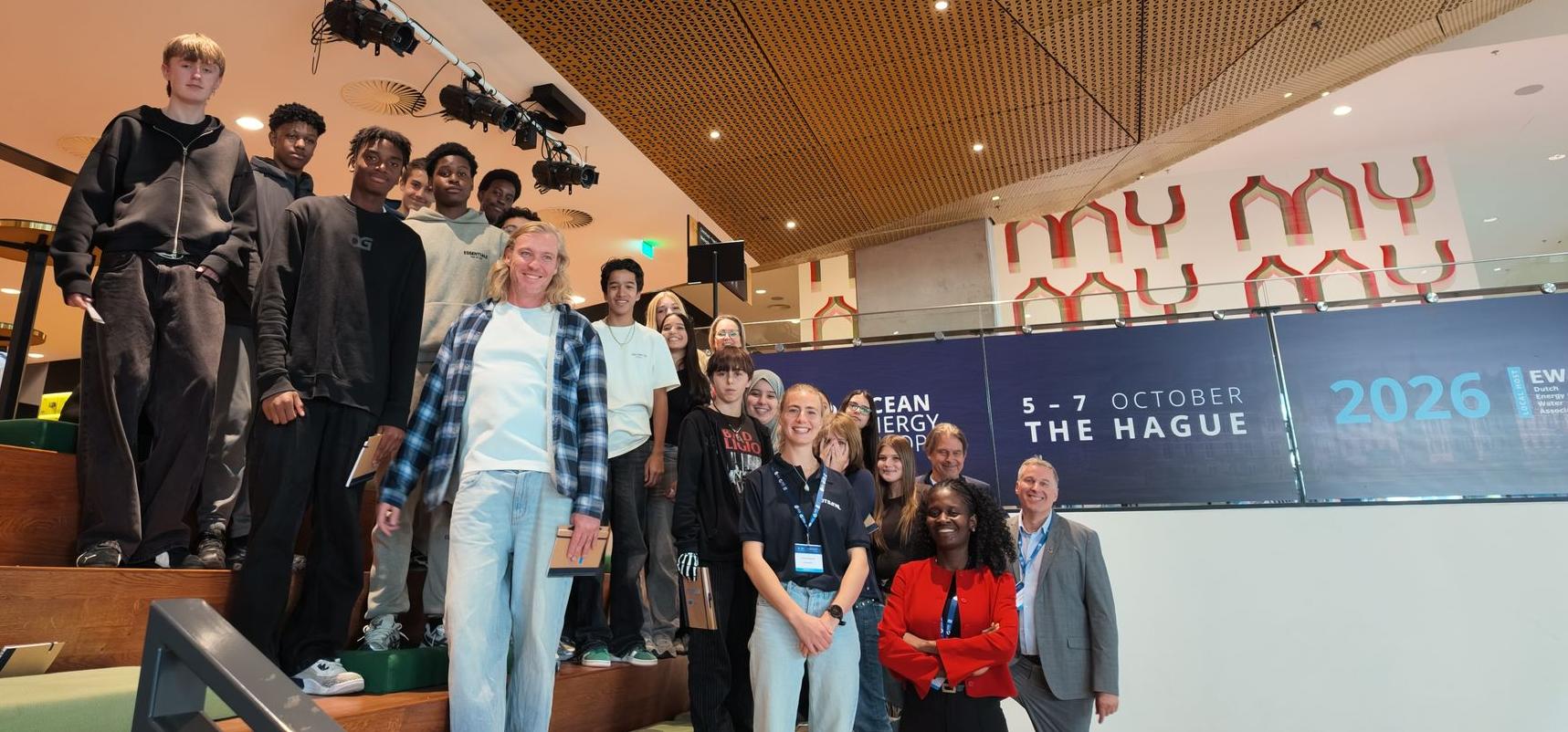
How can classroom learning connect with the real-world innovations shaping the future of renewable energy? During Blue Week 2026, students from Maris College had the opportunity to build on their existing knowledge through expert-led Masterclasses and a visit to the International Conference on Ocean Energy & Ocean Energy Europe (ICOE OEE 2026).
Having already explored different energy sources at school, with a particular focus on renewable energy, the students could take their learning further by discovering how these technologies are developed and applied in practice. The Schools Programme connected their classroom lessons with the people, technologies and career opportunities shaping the ocean energy sector.
Building on classroom learning
On 24 September 2026, students took part in interactive masterclasses led by Offshore For Sure project partners Lotte Holvast and Reinier Rijke. The sessions focused on solar and tidal energy, building on the students' existing understanding of renewable energy sources and exploring how these technologies can contribute to a more sustainable energy future.
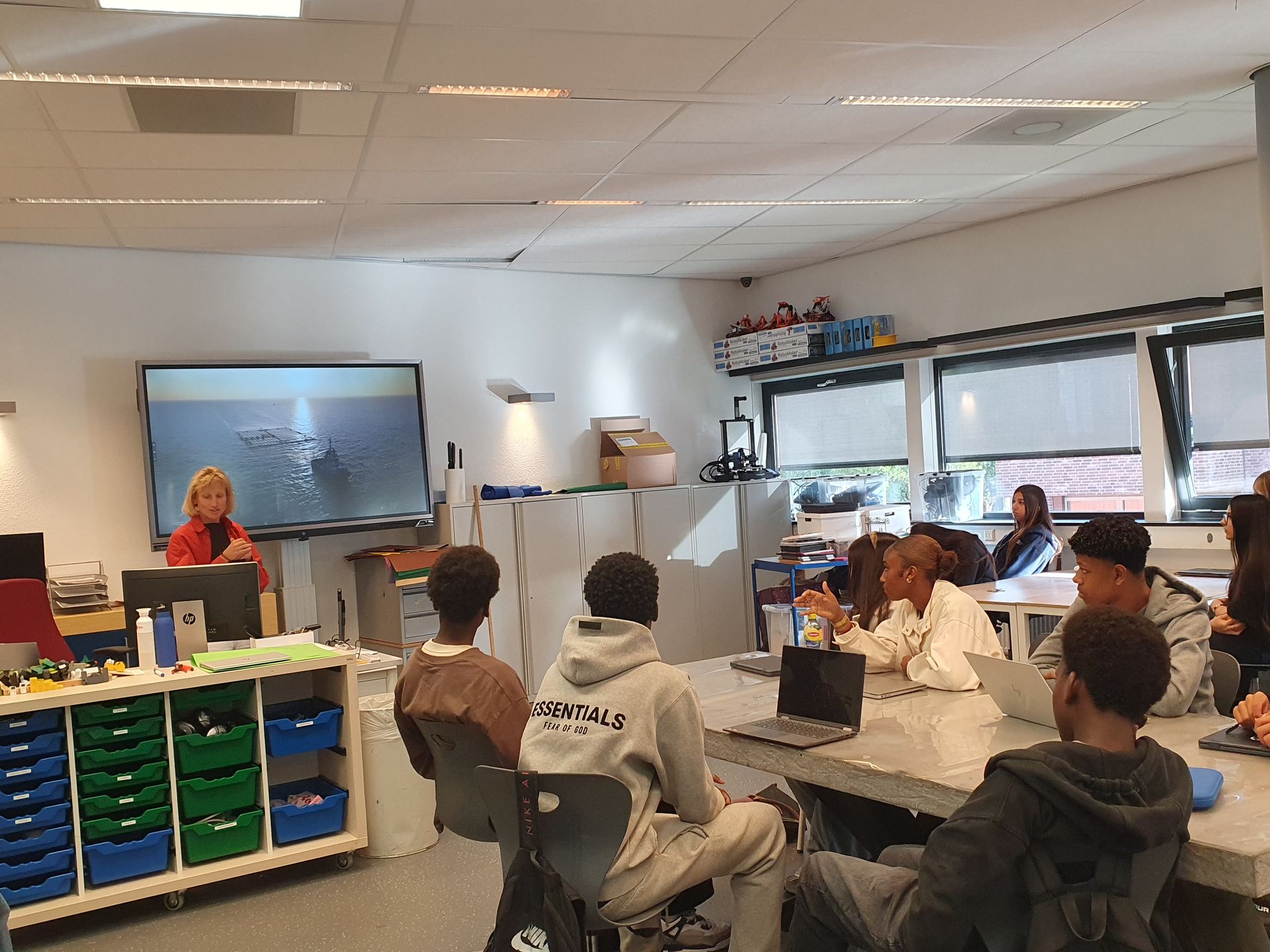
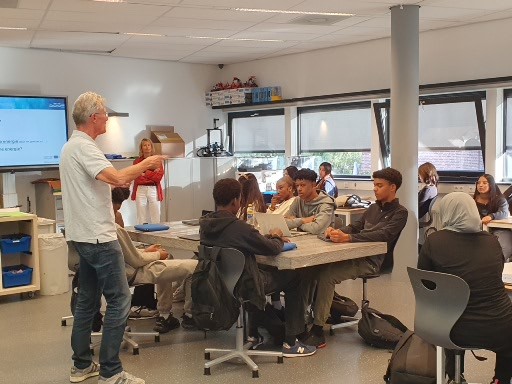
The masterclasses offered an opportunity to connect theoretical knowledge with practical applications, while learning directly from professionals involved in the ocean energy sector.
Discovering ocean innovations at ICOE OEE
The learning continued on 5 October, when the students visited ICOE OEE 2026 at Amare in The Hague.
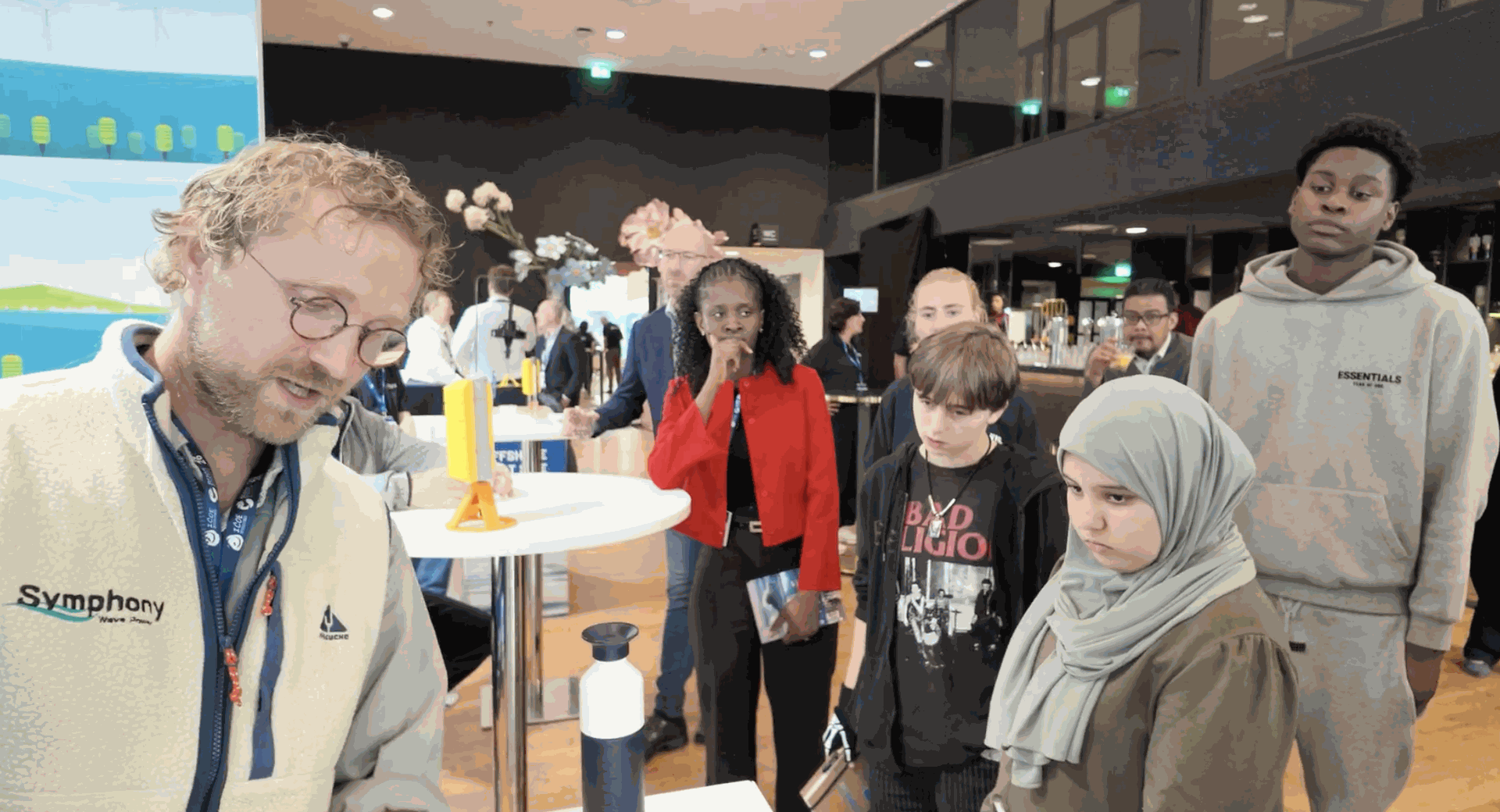
During a tour of the conference and exhibition, the students met wave and tidal energy developers from the Netherlands and around the world, including CorPower, SEATURNS, Orbital, SeaQurrent, Proteus and Equinox. They learned about the different technologies being developed to harness the power of the ocean.
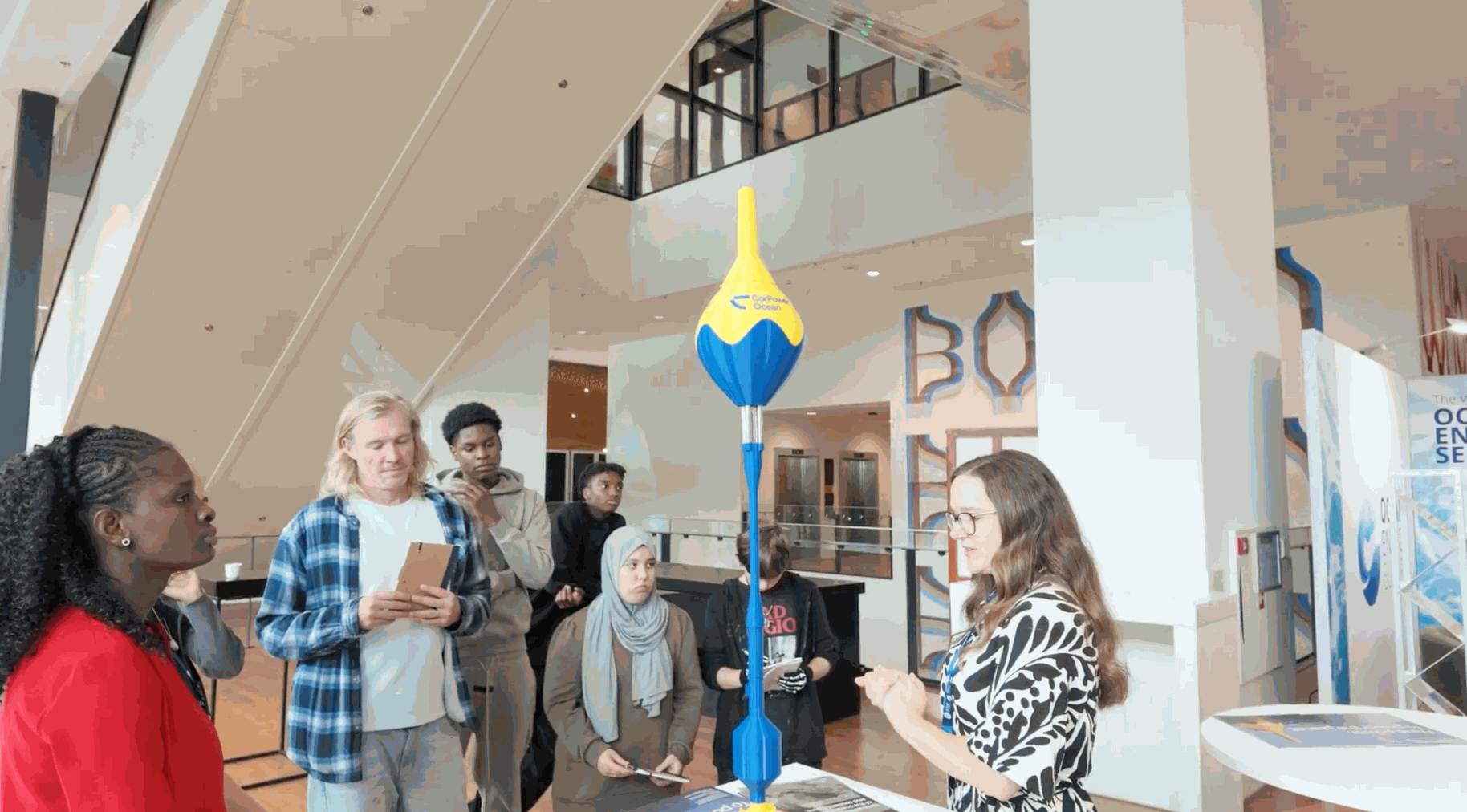
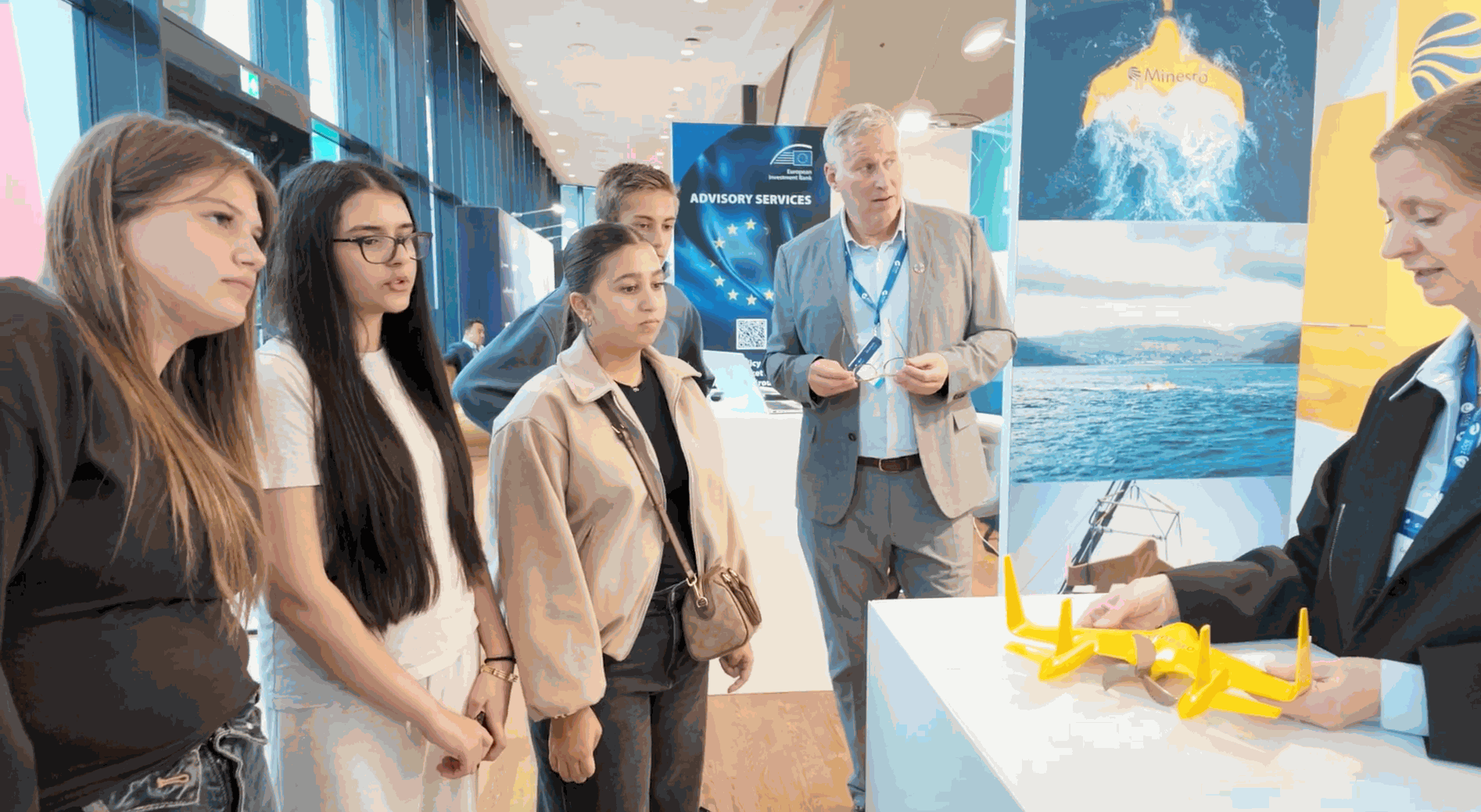
Their curiosity was evident in the many questions they asked. The exhibition's 3D models made the experience even more practical, helping students visualise the technologies and better understand how innovative ideas are translated into real-world applications.
The visit also gave them the opportunity to connect what they had learned at school and during the masterclasses with the work of researchers, engineers and technology developers in the sector.
Building the skills for a sustainable blue economy
The transition from promising prototypes to commercially viable ocean energy technologies requires more than innovative ideas. It also depends on people with the right skills, knowledge and expertise to develop, test and bring these technologies to market.
As discussions throughout ICOE OEE highlighted, developing the talent needed to support the sector's growth is an important part of advancing ocean energy.
By introducing students to renewable energy technologies, industry professionals and potential career pathways, the Schools Programme aimed to spark their interest in the opportunities offered by the blue economy.
We hope this experience has inspired the students to explore future studies and careers in fields such as marine technology, engineering, renewable energy and sustainability — and perhaps to become part of the next generation turning ocean energy innovations into practical solutions.
Working together to inspire future talent
The Maris College Schools Programme was made possible through the collaboration of two European cooperation projects: Offshore For Sure, funded by Interreg Vlaanderen-Nederland, and Offshore Proof, funded by Interreg North-West Europe.
Campus@Sea organised the programme with the support of Bluespring, bringing education and the ocean energy sector closer together.
By connecting students with the technologies and people driving ocean innovation, the programme took a step towards inspiring the skills and talent needed for a sustainable blue economy. Because the future of ocean energy depends not only on the technologies we develop today, but also on the people we inspire for tomorrow.