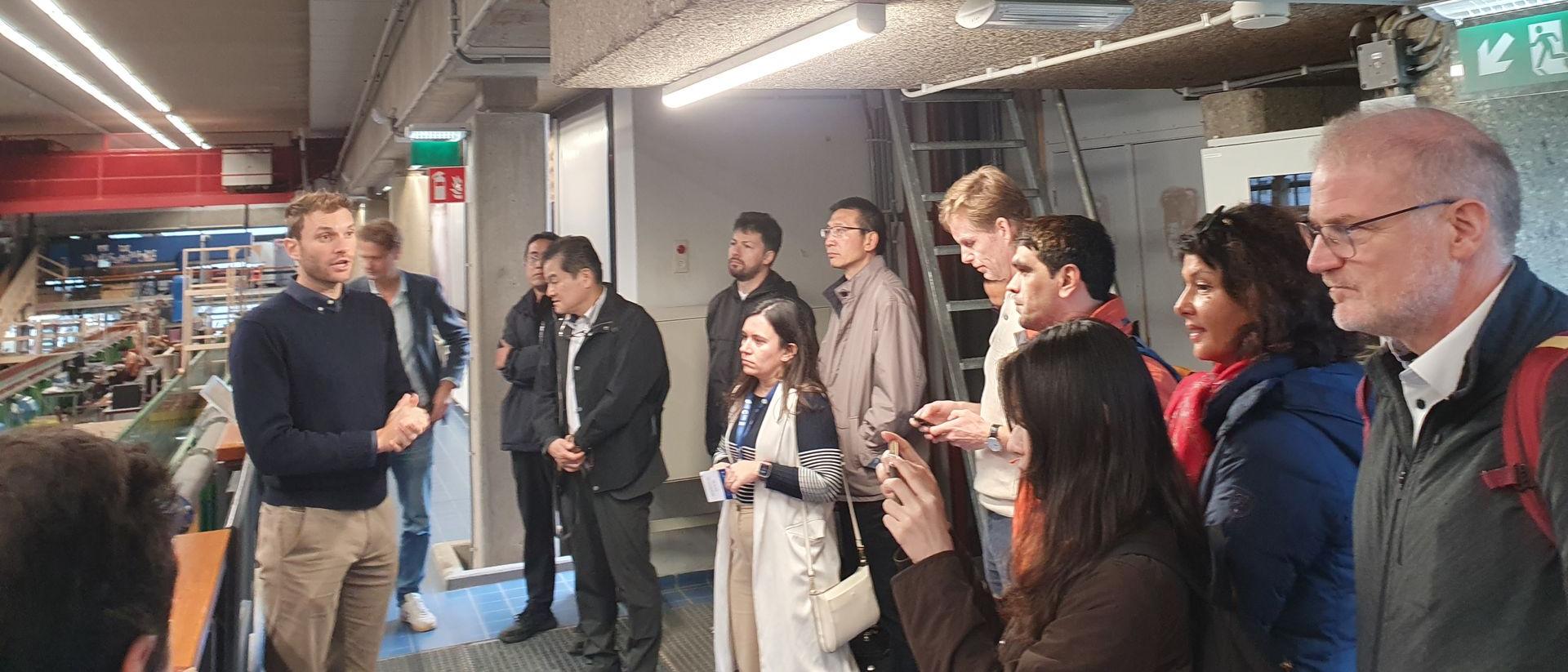
On 8 October 2026, participants of ICOE OEE visited TU Delft WaterLab and Deltares to explore the research facilities and testing infrastructure supporting innovation in marine and offshore energy.
The half-day site visit offered participants a behind-the-scenes look at how water research, physical testing and technical expertise contribute to the development and validation of offshore technologies.
From water research to large-scale testing
At TU Delft WaterLab, participants explored the university’s water research and testing facilities and learned about research relevant to marine and offshore energy.
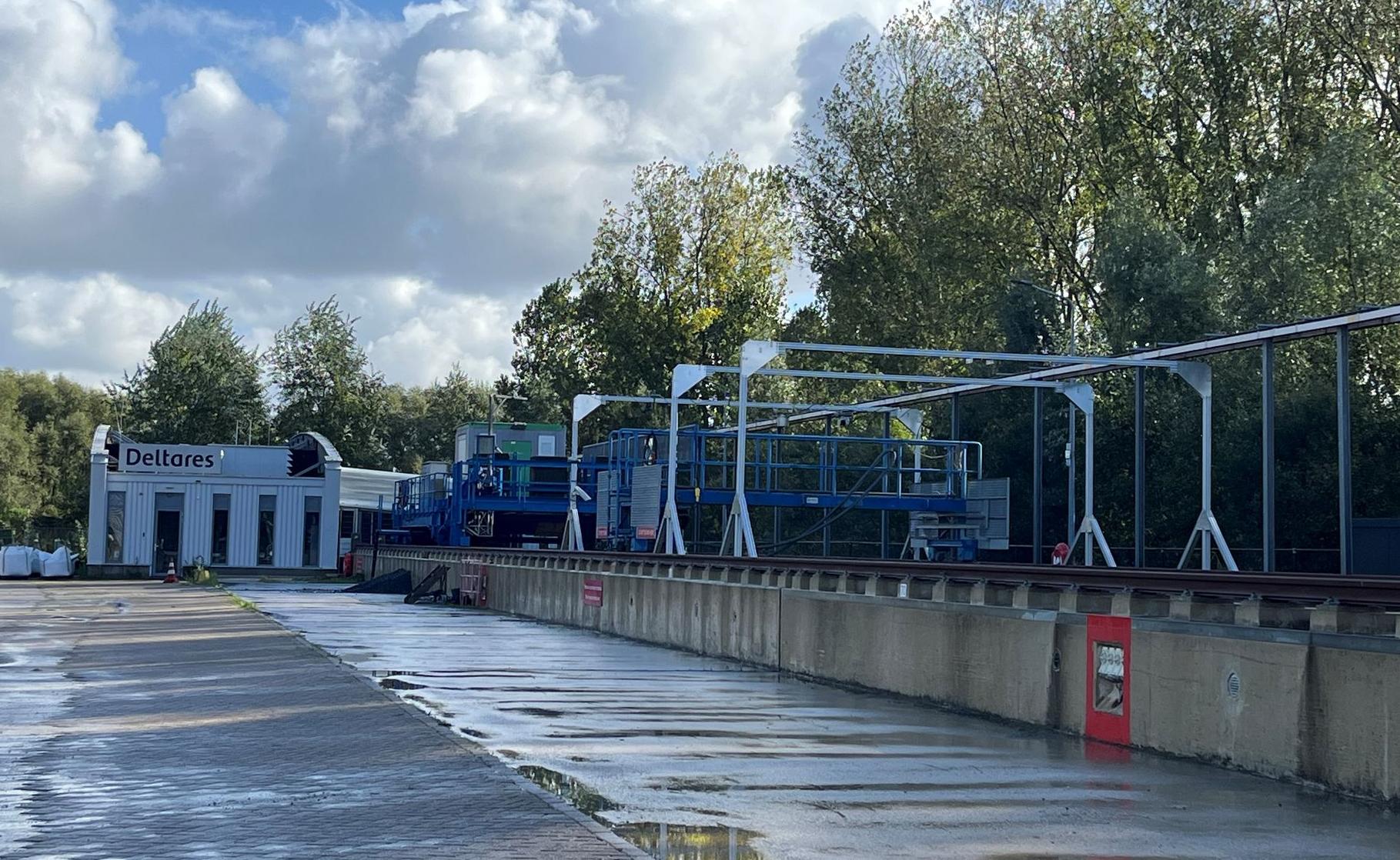
The visit continued at Deltares, where participants discovered its extensive hydraulic testing infrastructure, including Europe’s largest outdoor wave flume and other testing facilities. These facilities support research into water-related processes and provide valuable opportunities to investigate how technologies and structures behave under different hydraulic conditions.
Together, the visits highlighted the importance of research infrastructure in improving understanding of marine environments and supporting the development of offshore renewable energy solutions.
Building confidence through trusted testing
For offshore renewable energy technologies, successful development involves more than designing a promising solution. Developers must also demonstrate how their technologies perform, establish their reliability and build confidence among regulators, investors and other stakeholders.
This is where trusted testing, validation and accreditation become essential. Access to appropriate facilities and testing expertise helps technology developers assess performance, address technical challenges and prepare their innovations for real-world deployment.
These objectives are central to Offshore Proof, which is building a network of real-world offshore test sites across Northwest Europe to support the testing and certification of wave, tidal, offshore solar and energy storage technologies.
Through collaboration between test sites, researchers, developers and other stakeholders, the project aims to strengthen testing capabilities and support wider acceptance of offshore renewable energy innovations.
Connecting research with real-world deployment
The visit to TU Delft and Deltares highlighted how research institutions and testing facilities contribute to the wider offshore renewable energy ecosystem. By connecting participants with the people and infrastructure behind testing and validation, the excursion created opportunities to exchange knowledge and explore the capabilities available to support future technology development.
As offshore renewable energy continues to evolve, collaboration and access to trusted testing infrastructure will remain important in moving innovations from prototypes towards deployment.